Process Framework (Technical)
- amrtava.com
- Process Framework (Technical)
+91 93241 80226
Phase Gated Process Architecture
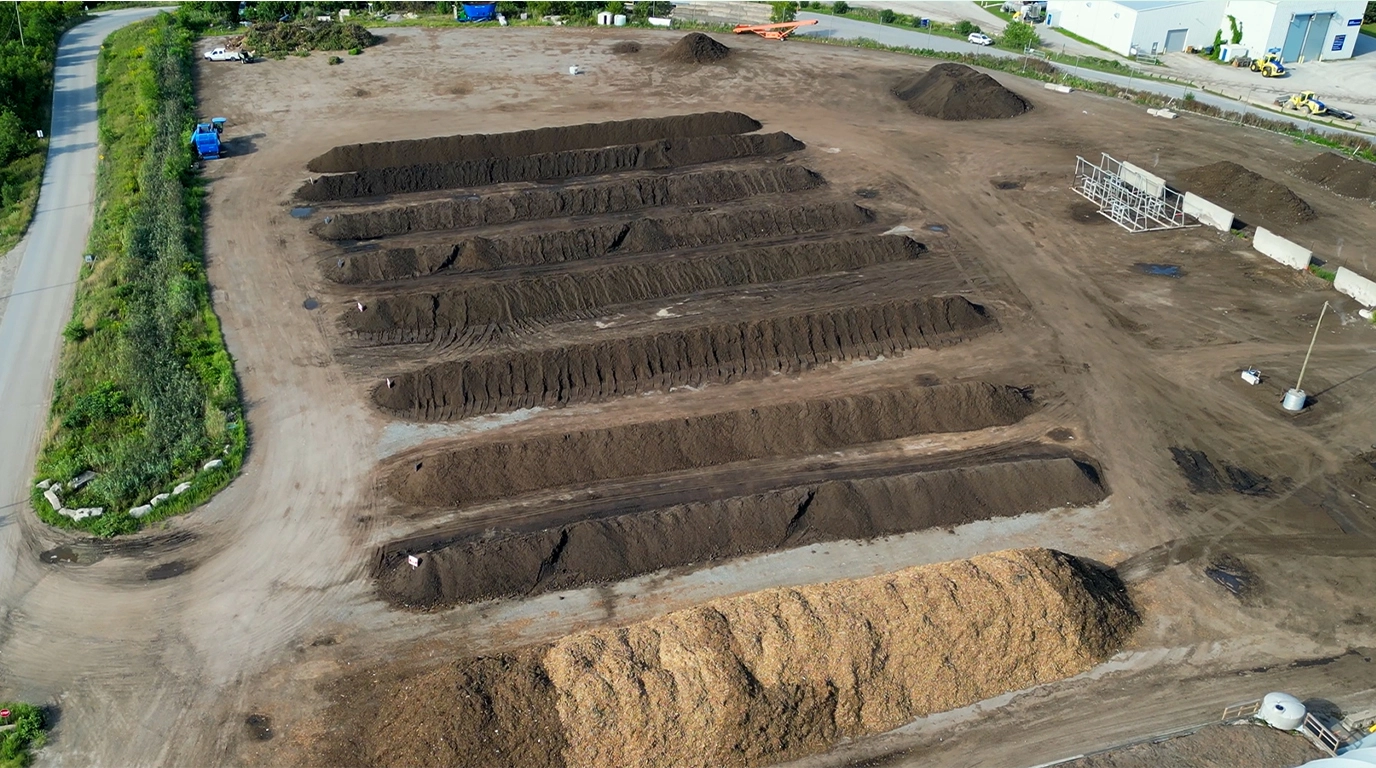
AMRTAVA™ follows a phase gated organic waste processing architecture designed to ensure regulatory compliance, environmental safety, and technical maturity at each stage of operation. The framework integrates biological stabilization and advanced conversion pathways under controlled, documented conditions. Progression between phases is permitted only after performance validation and statutory review, where applicable.
Phase 0: Feedstock Qualification
• Acceptance of source segregated biodegradable organic waste
• Handling of high moisture, heterogeneous organic fractions
• Enforcement of defined contaminant and non biodegradable thresholds
• Maintenance of input records and mass balance documentation
Phase 1: Aerobic Biochemical Stabilization
• Controlled aerobic microbial degradation under oxygenated conditions
• Establishment of thermophilic temperature regimes for stabilization
• Reduction of volatile organic compounds and biodegradable load
• Suppression of pathogenic organisms and odor forming agents
Output: Biochemically stabilized organic intermediate
Phase 2: Pre HTC Conditioning
• Adjustment of particle size and moisture distribution
• Homogenization of stabilized material for hydrothermal processing
• Controlled removal of fractions inhibitory to downstream reactions
• No energy intensive drying or thermal pre treatment applied
Phase 3: Hydrothermal Carbonization (HTC)
(Advanced phase pilot scale, subject to statutory permissions)
• Application of subcritical hydrothermal reaction conditions
• Operation under autogenous pressure environments
• Progressive carbon concentration and stabilization mechanisms
• Conversion of organic matter into hydrochar
Phase 4: Post HTC Handling
• Solid liquid phase separation and material conditioning
• Stabilization and safe handling of hydrochar
• Controlled storage and routing based on material characteristics
• Utilization pathways determined through laboratory characterization and regulatory guidance
Important Notice
This document presents a conceptual and regulatory framework only.
No proprietary operating parameters, reactor designs, control logic, or confidential technical specifications are disclosed.
Subscribe to Newsletter
AMRTAVA™ is a phased organic waste transformation initiative operated by AWFUL Technology Solutions LLP. This website presents a high-level technical and policy framework intended solely for institutional and regulatory communication. No operational parameters, system designs, performance claims, or proprietary methodologies are disclosed.
© 2026 AMRTAVA™ Operated by AWFUL TECHNOLOGY SOLUTIONS LLP. All Rights Reserved